
A high water bill has a short list of causes: more use than usual, a leak or a billing error. The meter tells you which. It is a counter that records every gallon that passes through it, and a few minutes of watching it with everything off answers the question.
This guide explains how to find and read your meter, how to run a leak test and what the result means. If the test shows a leak and water is flowing, close the main valve and call, because the line is open 24/7.
Find the meter
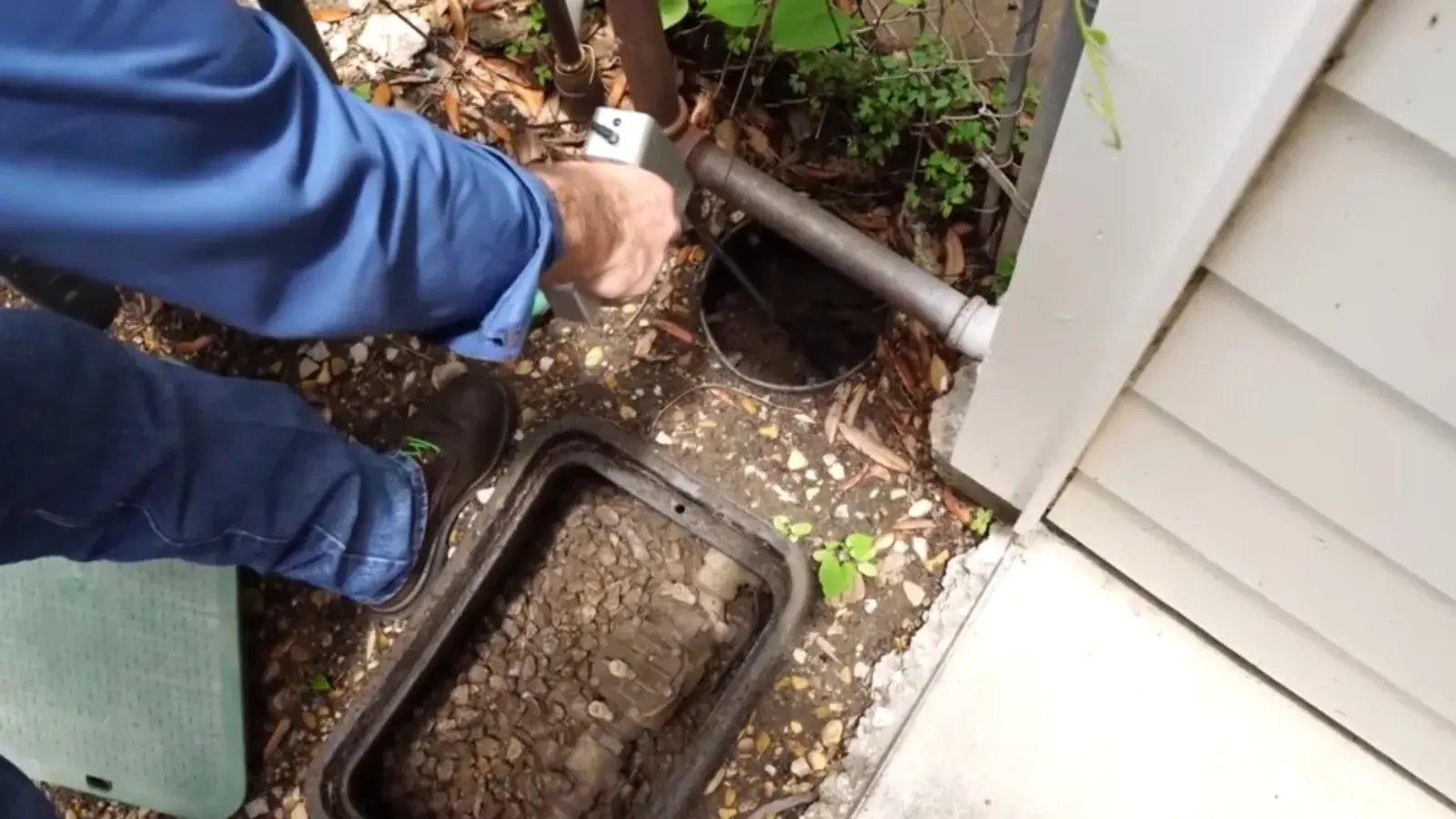
Most residential meters sit in a box near the street, the curb or the edge of the property, with a lid that lifts. Some are in a basement or a garage. The shutoff valve at the meter is usually on the street side, and the house main valve is where the line enters the home.
Wear gloves and watch for insects and snakes when you lift a meter lid. Use a screwdriver or a meter key for stuck lids, and do not reach in with your bare hand.
Read the dials
What each part of the meter tells you
Meters differ by model, so check which units yours uses. If you are unsure, ask the water authority.
| Part | What it is | How to use it. |
|---|---|---|
| Odometer-style register | The row of numbers that count total usage | Write the reading down and compare later. |
| Sweep hand or dial | A hand that sweeps a small circle | If it moves with everything off, water is flowing. |
| Low-flow indicator | A small triangle, star or dial | Spins at a very low flow, often the first sign of a leak. |
| Units label | Gallons or cubic feet | Know which one, so bills and readings match. |
The two-minute leak test
Run it with the house idle
Do the test when no one is using water.
- 1
Turn everything off. Close faucets, stop the washer, dishwasher and sprinklers, and make sure the ice maker is not cycling.
- 2
Read the meter. Note the register and look at the low-flow indicator.
- 3
Wait 15 to 30 minutes. Do not use any water during this time.
- 4
Read again. If the register changed or the indicator moved, water is leaking.
- 5
Close the house main. Then check again. If the meter stops, the leak is inside the house. If it keeps moving, the leak is in the line between the meter and the house.
Common hidden leak sources
- A toilet flapper that leaks from the tank to the bowl.
- A dripping faucet, shower or outdoor spigot.
- A water heater relief valve or fitting.
- An irrigation valve stuck open.
- A leak in a buried service line.
- A pool or spa fill line.
The toilet is the most common cause. A few drops of dye in the tank, with no flush, will show up in the bowl in minutes if the flapper leaks. Our toilet repair page explains the fix.
If the leak is outside the house
A leak in the service line, between the meter and the house, can run unnoticed for weeks. Look for wet or sunken ground, a green patch of lawn and a hissing sound. Georgia has a statewide call-before-you-dig system, and calling 811 before any digging is the right first step.
Our water line repair page covers fixing a buried line, and our leak detection page explains how we find a leak that is not obvious.
Reading a result you did not expect
A meter that moves slowly is still a leak. A tiny dial that creeps forward over an hour can waste thousands of gallons over a month. Record the dial position, wait, and compare. Do not wait for the movement to look dramatic.
A meter that does not move can still hide an intermittent leak, such as a toilet that refills only now and then. Repeat the test at a different time of day and include a longer window overnight.
Narrowing down where the water goes
- If the meter stops when the main valve at the house is closed, the leak is inside the house.
- If it keeps moving, the leak is between the meter and the house.
- Closing the water heater feed isolates a leak on the hot side.
- Checking each toilet with dye isolates the most common silent leak.
Work in that order and write down each result. The list tells a plumber where to start and shortens the detection visit.
Douglasville: who to ask about your meter and bill
The Douglasville-Douglas County Water and Sewer Authority supplies water in Douglas County, and it is the right place to ask how to read your specific meter and how your usage is billed. Ask whether your meter has a low-flow indicator and what your monthly usage history shows.
If you find a leak in the line between the meter and the house, ask the authority where its responsibility ends. Underground water service lines are also a fee item on Douglas County's residential plumbing permit application. Homes in Lithia Springs and the towns on our service areas page may have different utilities, so check your bill.
Georgia's state minimum plumbing code is the International Plumbing Code (IPC) with Georgia amendments, enforced locally. Repairs on supply piping use approved materials, and underground service lines may need a permit.
Meter still moving? Call and we find the leak.
Frequently asked questions
Lift the lid, read the register numbers and note the low-flow indicator. Compare readings over a period with no water use.
15 to 30 minutes with everything off is a common check. A longer wait, such as two hours, shows slow leaks.
A slow movement still means water is escaping. It may be a toilet, a drip or a small buried leak.
Generally the owner is responsible for pipe on the house side of the meter. Ask the water authority about your address.
Yes. Calling 811 before digging lets utilities mark buried lines.
The line is open 24/7 for active leaks, and scheduled leak detection is by appointment.
Yes. The test is identical, though your water provider may differ by address. Our Lithia Springs page and the service areas page explain who to ask.